
Fashion Buying Career: How to Become a Buyer and Move Up

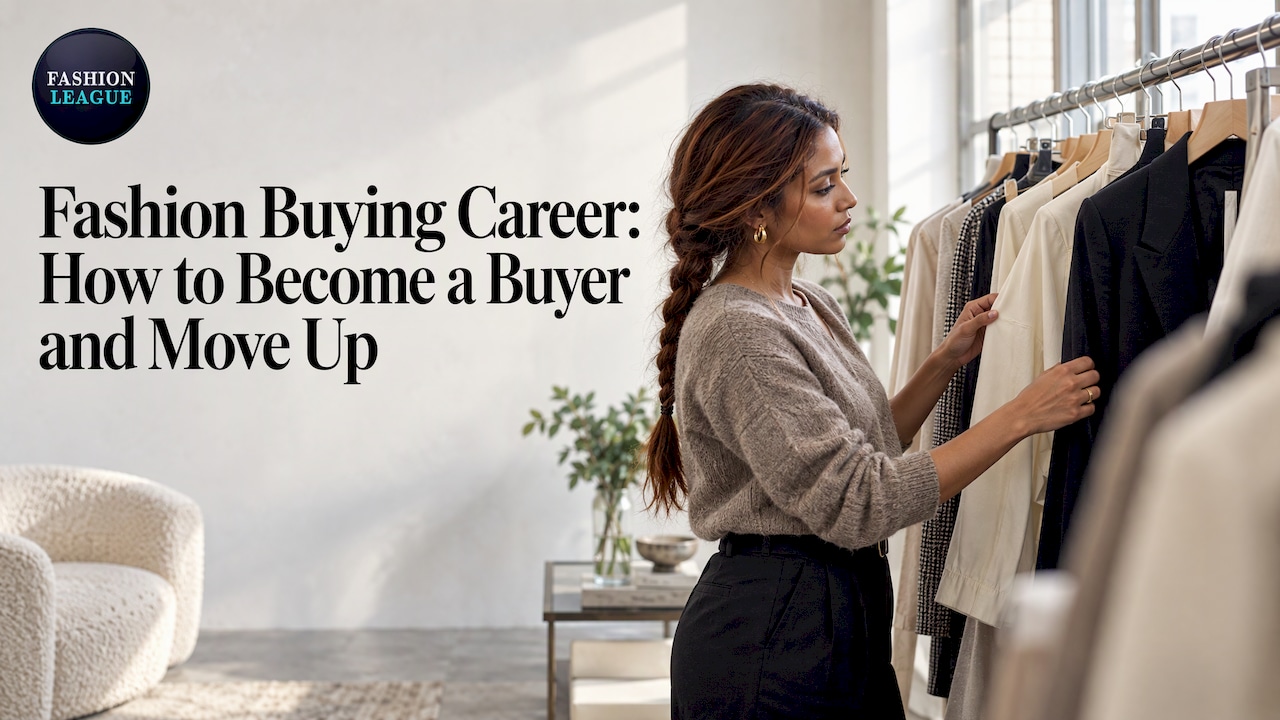
A fashion buying career starts with a job most people never see on a store floor: an assistant or admin role in a buying office, where you learn how a retailer decides which products to carry, in what quantities and at what price. From there you move to assistant buyer, buyer, senior buyer and head of buying. A degree in fashion merchandising, business or marketing helps, but retail experience, internships and a sharp, numbers-aware application can get you through the door too. This guide covers what the work involves, the routes in, the ladder, the pay data and how to present yourself.
Key Takeaways
A fashion buyer chooses which products a retailer or brand sells, and sets the quantities and the price conditions. The job blends taste with spreadsheets.
You can enter without a degree, but many employers prefer graduates in business, fashion, marketing or retail management, and progression is usually slower without one.
Internships, part-time retail work and buying-office admin roles are the most common ways in. Employers hire from the people they have already seen work.
The usual ladder runs from buying assistant to assistant buyer, buyer, senior buyer, head of buying and buying director. Many buyers also move sideways into merchandising or product management.
Your résumé has to show commercial thinking, not just love of fashion. That is where most applications fall short.
Table of Contents
What a fashion buyer actually does
A fashion buyer decides what a store or online shop will sell. That means researching where customer demand is heading, selecting brands and styles, negotiating with suppliers and making sure the right stock arrives on time. Prospects, the UK graduate careers service, puts the split simply: buyers focus on the product, while merchandisers focus on its commercial and financial viability and on keeping stock flowing to where it is most likely to sell.
In practice, a buyer’s week involves a mix of tasks:
Range planning. Deciding how many styles to offer, how deep to go on each and how wide to spread across categories. Retail Dogma’s overview of fashion buying describes this as assortment planning, balancing depth against breadth.
Working within a budget. Buyers plan against an Open-to-Buy figure, which is the money still available to spend on new stock in a given period.
Supplier negotiation. Prices, delivery timelines, minimum quantities and margins are all negotiated, as the Istituto Europeo di Design’s profile of the role lays out.
Reading the numbers. Sell-through, stock levels and sales by size and style tell a buyer what to reorder and what to mark down.
Trade shows and showroom visits. Buyers see collections in person, meet designers and select pieces for the coming season.
Private-label development. At many retailers, buyers work with designers on the store’s own products.
The weight of the role is worth understanding before you commit. IED notes that each purchasing decision affects both the financial health and the identity of a brand or store, and that digital skills and e-commerce familiarity are increasingly central as data drives sales. If you enjoy pattern spotting, negotiating and making calls under pressure, this is a career where those habits pay off.
Buyer or merchandiser?
The two roles sit side by side and are often confused. A buyer picks the product. A merchandiser handles the budget and the stock plan, and tells the buyer how much of each thing the business can afford to carry. Some companies combine the functions, and many careers cross over. If you like creative judgment and supplier relationships, aim for buying. If you prefer finance, forecasting and allocation, look at merchandising. Either way, you will be sitting in the same office as the other one.
Visual merchandising, which is the styling of displays in stores, is a different job again. It shapes how customers see products once they are already on the floor.
Skills that get you hired
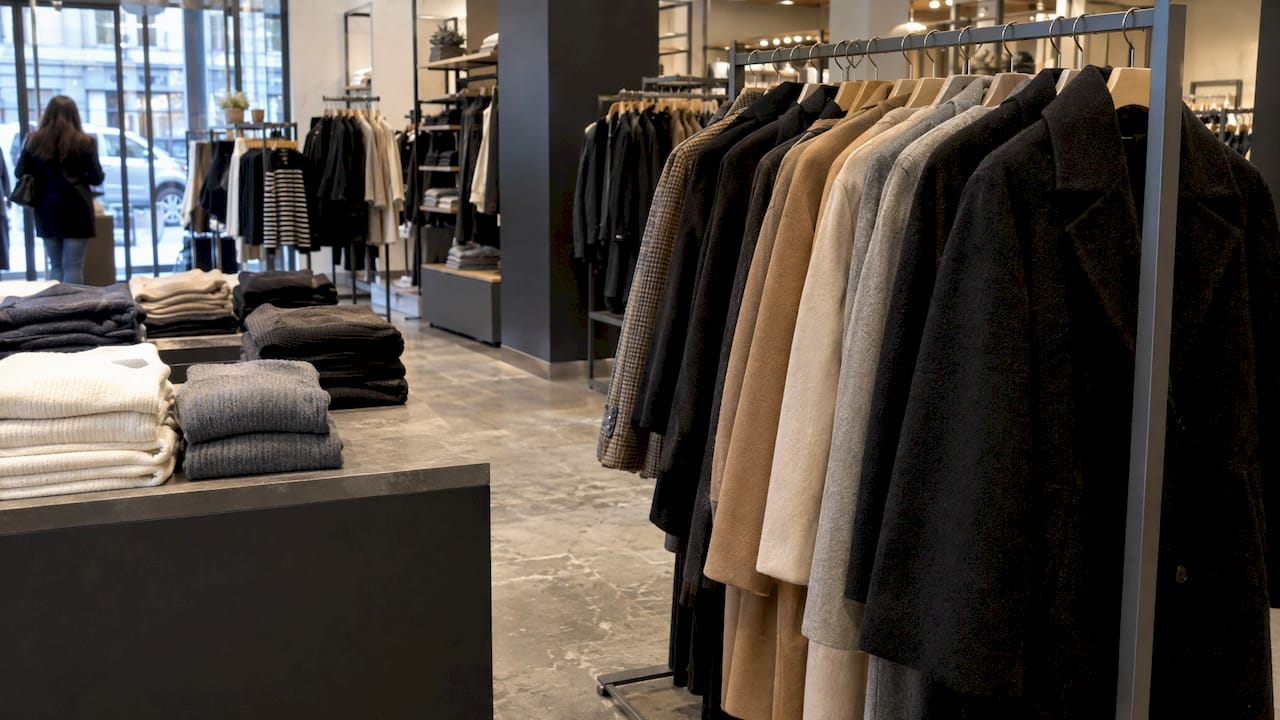
Job descriptions for fashion buyers repeat the same short list, and it is worth building each one deliberately:
Numeracy. You will work in spreadsheets daily: margins, markdowns, sales percentages, stock cover. Comfort with these numbers is the single biggest separator between applicants who love clothes and applicants who get hired.
Commercial awareness. Understanding who the customer is, what they pay and why a product sells or does not.
Trend analysis. Not just spotting a trend but judging whether it will sell at your price point to your customer.
Negotiation and communication. Suppliers want volume and good terms. Buyers want price and reliability. You need to be firm and still keep the relationship.
Organization. Seasons overlap. You may be selling this season’s stock, buying the next and planning the one after.
Composure under pressure. A late delivery or a poor sales week lands on your desk.
You can show most of these before you have a buying title. A part-time retail job shows customer knowledge. A student society budget shows numeracy. A personal project analyzing what sold best at a campus pop-up shows commercial thinking.
How to become a fashion buyer
There is no single licensed route into buying. Employers in the US and elsewhere look for a mix of education, hands-on retail exposure and evidence of judgment. The steps below follow the path that most candidates take.
Step 1: Choose a foundation
Many buyers start with a bachelor’s degree in fashion merchandising, business, marketing or retail management. Monster’s guide to becoming a fashion buyer says a degree is not strictly required but that many employers prefer one in fashion merchandising, business, marketing or a related field. A May 2024 Spotlight on the Fashion Industry from S4YE, using US data, lists typical requirements for the fashion buyer occupation as a bachelor’s degree plus three years of procurement experience.
If you do not have a degree, Prospects states that roles are open to all disciplines and that it is possible to start without one, though progression is slower. In that case, retail experience and a strong track record of results matter even more.
The UK’s National Careers Service describes three routes into retail buying: a university degree, a higher apprenticeship or working your way up from assistant buyer, shop floor, visual merchandising or buyer’s-office admin roles. Those are UK qualifications, but the pattern is the same in the US: formal study, structured entry programs, or promotion from within.
Step 2: Get hands-on experience early
Experience is what turns a degree into an offer. Prospects recommends internships, work placements, work shadowing, volunteering and part-time retail jobs to stand out. Pay attention to what you do in each, because you will need to describe it in numbers later: units sold, sales growth, how you handled a stock count or a markdown.
Internships can lead directly to jobs. In May 2024, Glasgow Caledonian University reported that two final-year fashion branding students secured a week-long internship at a retailer’s buying and merchandising headquarters after its team visited campus, and both were hired as trainee retail buyers straight after. The lesson applies anywhere: when a buying team meets you, sees you work and trusts you, you move to the front of the line.
Step 3: Target the right entry role
Look for titles such as buying assistant, buyer’s administrator, allocator, planning assistant, merchandising assistant or junior buyer. These roles often involve admin, data entry and sample coordination. They look unglamorous, but they teach how a buying office runs, and they put you next to the people who make decisions. Large retailers and brands often run graduate or trainee schemes as well, so check the careers pages of the companies you want to work for.
Step 4: Build your network
Buying is a small world. Trade shows, industry panels, alumni groups and informal conversations with people already in the job all open doors. Monster recommends staying current on trends, attending trade shows and networking with industry professionals. Come prepared with questions about how they got started and what their teams look for, not requests for a job.
Step 5: Prepare an application built on commercial proof
Hiring managers in buying read dozens of résumés that say “passionate about fashion.” What stands out is evidence that you can think like a business. We cover how to build that résumé below.
The fashion buyer career path
Buying has a clear ladder, though titles vary by company. Prospects describes the typical start as buyer’s admin assistant or trainee assistant buyer, followed by assistant buyer and buyer. With significant experience, it says, you can become a buying controller or merchandising director. A retailer’s own careers page shows how detailed the ladder can get: Monsoon Accessorize lists buyers administration assistant, assistant and senior assistant buyer, junior buyer, buyer, senior buyer, head of buying and buying director, and says joining its buying teams requires a fashion-related degree or related work experience.
Level | Typical focus |
Buying or admin assistant | Supports the team with data, samples, supplier paperwork and reporting |
Assistant buyer | Handles a defined set of products or suppliers, analyzes sales, assists with range plans |
Buyer | Owns a category: range, budget, supplier negotiation and performance |
Senior buyer | Larger budget, more autonomy, often manages junior buyers |
Head of buying | Sets department goals, oversees supplier performance and pricing |
Buying director | Shapes overall brand buying strategy |
In the US, Retail Dogma describes the path as assistant buyer, buyer, senior buyer and head of buying, with combined buying and merchandising functions sometimes leading to a head of buying and merchandising role or a chief commercial officer position.
Moving sideways
Buying experience travels well. Because buyers work with marketing, supply chain, finance and customer service teams, many move into merchandising, product management or retail marketing. If you want to see how those neighboring areas work, our guides to fashion marketing and fashion industry careers show where the skills overlap.
What fashion buyers earn in the US
Pay depends on the employer, the city and the level. A few reference points, each from a different source and a different measure, so they should not be treated as one scale:
The US Bureau of Labor Statistics reports that buyers and purchasing agents earned a median of $77,710 a year in May 2025, with the lowest 10 percent under $48,380 and the highest 10 percent above $128,870. That category covers buyers across industries, not only fashion. The BLS updates these figures annually.
S4YE’s May 2024 fashion industry note lists a salary of $70,334 for the fashion buyer occupation.
Retail Dogma reports an average US retail buyer base salary of $84,962 and a median total pay, including additional pay, of $99,588.
The spread is wide because a buyer at a small boutique and a senior buyer at a national department store do very different jobs. Entry-level assistant roles sit well below these figures, and senior and director roles sit above them. For your own target city and level, compare several current job listings rather than relying on a single average.
Do you need a degree?
Not strictly, but it helps. Prospects and Monster both say you can get in without one, and both say many employers prefer graduates. A degree gives you a structured way into internships, graduate schemes and alumni networks, which is often where hiring actually happens.
If you are not taking the degree route, replace what it provides:
Take a retail or buying-office job and aim to move toward planning, allocation or merchandising support.
Learn the basics of retail math: margin, markup, markdown, sell-through, stock turn. Our fashion industry terms glossary covers the vocabulary you will hear in interviews.
Document your results with numbers.
Ask managers to let you sit in on range reviews or sales meetings.
If you are a student, choose electives and projects that include analytics, retail operations and negotiation, not only design or styling.
Build a résumé that reads like a buyer’s
A buying résumé should show three things: that you understand the customer, that you handle numbers, and that you have followed through on commitments. Here is how to translate common experience into buying language:
Retail floor job: “Top seller in the department, 18 percent above team average” says more than “provided excellent customer service.” Use your own real figures.
Internship: Describe the analysis you did, such as compiling weekly sales reports or comparing competitor prices, and what the team did with it.
Campus or personal projects: A mock range plan with a budget, target customer and rationale shows the thinking process even without a job title.
Trend knowledge: Show how you applied it, such as a pitch that connected a trend to a specific customer and price point.
Keep it to one page, lead with results and match the language of each job posting. Buying applicants often compete against many others for few openings, and a clear, quantified document gets read.
Where Fashion League fits
Fashion League is a media platform built on interviews with designers, editors and other industry figures, and on career content for people trying to get in. For a buying career, that means you can hear how people in the industry describe their own paths, and see what the surrounding roles look like before you commit to one. Our guide to in-demand fashion jobs is a good companion if you are still weighing options.
When you are ready to apply, we offer a Resume Edit service at $150 per hour for fashion job seekers, and Business Coaching if you want one-to-one guidance on career moves. We also run events where you can meet people working in the industry.

You can book through our bookings page.
A realistic first-year plan
If you are starting from zero, here is a sequence that makes steady progress:
Months 1 to 2: Learn the vocabulary and the math. Read about how retailers plan ranges and manage stock. Pick two or three retailers whose customer you understand well.
Months 2 to 4: Apply for part-time retail work or an internship. Ask in your interview which team handles buying and whether you can shadow it.
Months 4 to 8: Keep a log of results. Introduce yourself to people in buying and merchandising at your workplace or through alumni networks.
Months 8 to 12: Apply for assistant and trainee roles with a résumé that leads with figures. Prepare to discuss a recent season: what sold, what did not and what you would have bought differently.
None of this requires a title you do not have yet. It requires evidence that you already think the way buyers do.
FAQ
How do I become a fashion buyer with no experience?
Start in a retail job or an internship, then move toward a buying office through admin, planning or assistant roles. Prospects recommends placements, shadowing, volunteering and part-time retail work to stand out. Keep track of measurable results, because they become the core of your first buying application.
Is fashion buying a good career?
It suits people who enjoy both creative judgment and analysis. The role carries real decision-making responsibility and offers a clear ladder from assistant to director, with sideways moves into merchandising and product management. Pay varies widely by employer and level, so compare current listings in your target city.
What is the difference between a fashion buyer and a merchandiser?
A buyer selects the products a store or brand will sell and negotiates with suppliers. A merchandiser manages budgets and stock levels so the right quantities reach the right places. Some employers combine the roles, and many people move between them.
Can I become a fashion buyer without a degree?
Yes, according to both Prospects and Monster, although many employers prefer a degree in fashion merchandising, business, marketing or a related field. Without one, progression is usually slower, so retail experience, strong numbers and a good network carry more weight.
Sources
Recommended
This article was produced with Al assistance and is provided for general information.


Comments